Open Your Dogs Prospective: A Comprehensive Guide to Effective Dog Training Strategies
Disclosing a dog's prospective entails even more than basic obedience. It requires an extensive understanding of canine actions and effective training methods. Positive reinforcement plays an important function in promoting a solid bond and motivating wanted actions. In addition, socialization and dealing with behavioral concerns are vital parts. As proprietors discover these approaches, they will find the subtleties that result in a well-adjusted and positive canine friend. The trip to efficient training is just starting.
Comprehending Your Dog's Actions
Recognizing a dog's actions is essential for reliable training and communication. Pets, as social animals, exhibit numerous habits that can suggest their emotions and demands. Observing body language, such as tail setting, ear positioning, and position, offers insights right into a dog's mood-- whether they are kicked back, distressed, or hostile. Additionally, articulations like barking, whimpering, or growling convey different significances, often reflecting their mindset. Identifying these signals enables proprietors to respond suitably, cultivating a more powerful bond. Socializing experiences also shape actions, affecting how canines connect with other animals and people. By extensively understanding these behavioral hints, owners can create an extra unified environment, resulting in more effective training outcomes and enhanced interaction with their canine buddies.
Favorable Support Training
Benefits of Favorable Support
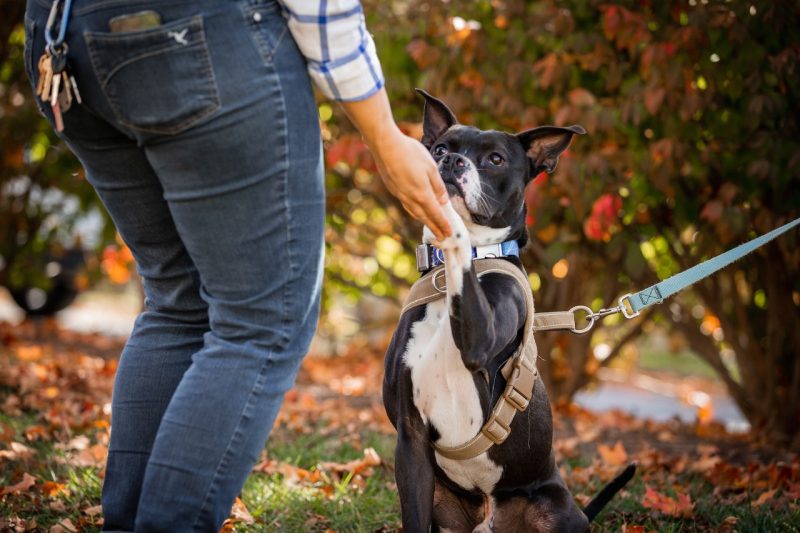
Thoughtful training approaches have gained substantial recognition in the area of pet dog training, especially via the use of positive support. This method stresses fulfilling desired habits instead of punishing unwanted ones. The advantages of positive reinforcement are countless. To start with, it fosters a strong bond in between the pet and trainer, promoting count on and teamwork. Additionally, canines trained using this method are frequently more determined to find out, as they connect training with positive experiences. Furthermore, favorable reinforcement can result in durable behavioral modifications, as it motivates dogs to repeat behaviors that generate rewards. This method reduces stress and anxiety, creating a much more pleasurable learning setting. Generally, the performance of positive support makes it a popular choice amongst dog instructors and owners alike.
Strategies for Reliable Training
Reliable training techniques build on the structures laid by favorable reinforcement. This method urges preferred actions via rewards, promoting a favorable discovering atmosphere. Techniques such as clicker training and treat-based motivations efficiently connect to dogs what activities are valued. Uniformity is essential; commands should be clear and incentives instant, strengthening the connection in between actions and end result. In addition, varying rewards-- making use of deals with, appreciation, or play-- can preserve a dog's inspiration. Incorporating brief training sessions boosts emphasis and retention, while gradually raising difficulty assists pet dogs build confidence. Socialization with other pet dogs and people can also be integrated, enabling real-world method of discovered actions. Eventually, these techniques create a strong bond between canine and owner, helping with effective communication and good understanding.
Standard Commands Every Dog Should Know
A strong foundation of fundamental commands is vital for each canine, as it promotes communication in between the pet and the owner. Trick commands consist of "sit," "remain," "come," "down," and "leave it." These commands not only develop a structure for obedience yet additionally boost safety during strolls and outings. Instructing "sit" provides a simple means for pets to react to demands, while "stay" reinforces patience. The command "come" is critical for assuring a dog returns when called, minimizing the threat of crashes. "Down" motivates calmness, and "leave it" helps protect against unwanted behaviors, such as scavenging. Regular training with favorable reinforcement guarantees that dogs understand and react dependably, ultimately enhancing the bond in between proprietor and pet.
Socializing: The Secret to a Well-Adjusted Dog
Socializing works as a keystone in developing a well-adjusted canine, forming actions that advertise consistency in numerous settings. Via exposure to different people, animals, and setups, pets find out to navigate social interactions and create self-confidence. Early socializing, preferably throughout the critical duration in between 3 to 14 weeks old, allows young puppies to develop favorable organizations, lowering the possibility of concern and anxiousness later in life. Involving in puppy classes, monitored playdates, and differed getaways can enhance a dog's versatility and reduce reactivity. On top of that, recurring social experiences throughout a dog's life are important for keeping their social abilities. By focusing on socializing, proprietors foster a well balanced, pleasant friend that thrives in diverse situations.
Attending To Behavioral Issues
Many pet dogs encounter behavioral concerns that can disrupt their connection with proprietors and hinder their general wellness. Usual troubles consist of excessive barking, eating, and hostility, which commonly originate from worry, stress and anxiety, or absence of training. Determining the root reason is vital for efficient treatment. Consistent training and favorable support my site can assist change unfavorable actions. For circumstances, rewarding calm behavior can reduce barking, while offering suitable chew playthings can deter damaging chewing. Additionally, developing a structured regimen can boost a dog's feeling of safety, bring about improved actions. Proprietors should remain client and understanding, as resolving these issues might call for time and persistence. With the best technique, lots of behavior issues can be efficiently taken care of, promoting a healthier bond between dog and proprietor.
Advanced Training Techniques for Enthusiastic Learners
Advanced training methods can elevate the skills of passionate learners and their canine friends. Methods such as clicker training, agility fundamentals, and advanced obedience skills offer organized approaches to boost interaction and performance (Board and Train Freeport Florida). These strategies not just foster a more powerful bond between pet dog and handler but likewise give psychological excitement for the dog
Remote Control Training Methods
Remote control training has actually emerged as a prominent and efficient technique for canine instructors seeking to enhance their canine companions' understanding experience. This positive reinforcement method utilizes a tiny portable device that emits a distinct noise, noting wanted actions right away. By linking the sound of the clicker with rewards, such as treats or praise, pet dogs swiftly learn to link details actions other with positive end results.

Fitness instructors can use remote control training for different commands, tricks, and even resolving behavior issues. Uniformity is important; each click must be followed by an incentive to strengthen the behavior. Dog Training Freeport Florida. In addition, this approach cultivates a bond between the instructor and pet, as it motivates communication and understanding. With method, both beginner and skilled trainers can successfully carry out remote control training methods
Agility Training Fundamentals
Structure on the concepts of positive support exhibited in clicker training, agility training presents pets to a series of obstacles developed to test their responsiveness, coordination, and rate. This vibrant sport is composed of numerous parts, such as jumps, passages, and weave poles, urging dogs to browse with training courses with accuracy. Handlers play an essential role, using verbal hints and body language to guide their family pets efficiently. First training focuses on acquainting dogs with each barrier, guaranteeing they feel confident and motivated. As canines development, they find out to complete whole training courses, boosting their physical fitness and psychological skill. Eventually, dexterity training not only promotes a much deeper bond in between canine and handler however also gives a thrilling electrical outlet for a dog's power and intelligence.
Advanced Obedience Skills
While numerous pet proprietors begin with basic commands, delving right into advanced obedience abilities can greatly enhance a dog's training experience and responsiveness. Advanced abilities such as off-leash heeling, range commands, and complex tricks not just test the dog emotionally but also enhance the bond in between the proprietor and their animal. Techniques like clicker training, marker training, and positive support are important in this stage. Uniformity and patience are critical, as dogs need time to understand these abilities. Moreover, including distractions during training sessions can improve emphasis and integrity. Taking part in sophisticated obedience not just makes training pleasurable yet likewise promotes a well-mannered and confident canine companion, prepared to deal with brand-new obstacles with excitement.
Regularly Asked Concerns
The length of time Does It Take to Train a Canine Efficiently?
Training a dog successfully can take anywhere from a couple of weeks to a number of months, relying on factors like the pet's age, type, personality, and the uniformity of the training techniques applied by the owner.
Can Older Dogs Learn New Tricks?
Yes, older pets can discover brand-new tricks. With patience, consistency, and favorable reinforcement, they frequently adapt well to training. Their willingness to find out may shock their proprietors, confirming that age does not restrict learning prospective.
What Should I Do if My Dog Refuses to Listen?
If a dog refuses to pay attention, the owner must stay tranquil and person, reassess the training technique, assurance diversions are reduced, and take into consideration utilizing positive reinforcement strategies to urge wanted habits properly. Dog Training Freeport Florida.
How Do I Keep My Dog's Training Over Time?
To preserve a dog's training in time, regular reinforcement of discovered commands, routine practice, and positive benefits are vital. Furthermore, incorporating training right into daily regimens keeps abilities fresh and enhances the bond between owner and canine.
Are There Any Type Of Training Approaches to Avoid?
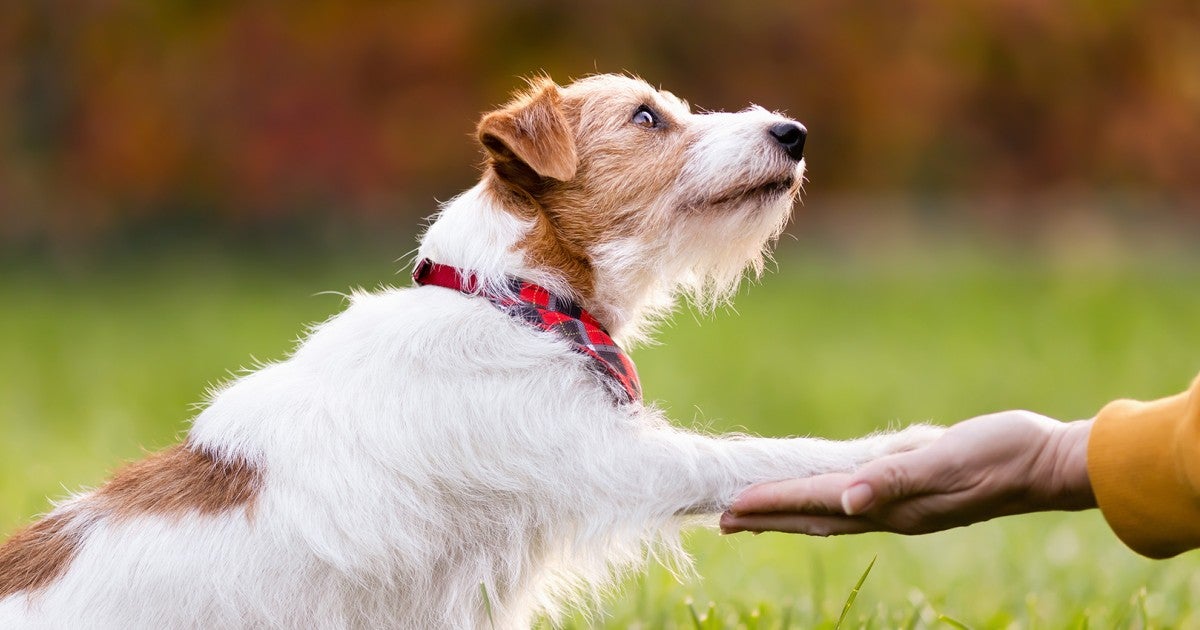
Certain training methods ought to be avoided, such as those making use of physical penalty, intimidation, or too much pressure. Favorable support strategies are advised read this article instead, cultivating trust fund and a healthy bond in between the pet and its proprietor.
Caring training methods have gotten substantial acknowledgment in the field of dog training, especially via the usage of positive support. In enhancement, canines educated utilizing this approach are often much more inspired to learn, as they connect training with positive experiences. Building on the principles of favorable support exhibited in remote control training, agility training introduces canines to a series of obstacles designed to test their responsiveness, speed, and coordination. While several pet dog proprietors start with fundamental commands, diving right into advanced obedience abilities can substantially boost a dog's training experience and responsiveness. To keep a dog's training over time, regular support of discovered commands, routine technique sessions, and positive incentives are necessary.